Repetutler
Saturday, June 20, 2026

Tuesday, May 12, 2026
In the Foothills
The wind was cold on Yurelalte's face, cold enough to numb her lips and sting her cheeks even with the golden sun shining down from a blue and glorious sky, so clear one might think clouds were only a dream. She blinked away the involuntary tears that sprang to her eyes from a sudden gust and scanned the horizon, then shook her head and sighed as she dug her heels into the horse's flanks to urge it faster. It was ill fortune indeed to be so high in the foothills this late in the summer when the Holy Ones were stirring, but Yurelalte was the riding's best hunter. That damn Hequray was going to get a piece of her mind when she got back for his poor shepherding.
As the horse crested the rolling summit of the next hill, Yurelalte briefly glimpsed a tiny dark dot against the sky over the snow-laden peaks farther south. Without slowing, she stripped the thick fur-lined leather glove from her hand, worked her lips a few times to warm them, and used her fingers to let out a piercing whistle. Ever so faintly, it echoed back from the distant cliffs.
The speck reappeared after several more hills, resolving more clearly as it winged its way closer. Soon enough it circled above, lazily flapping huge wings before diving down and swooping to a halt on Yurelalte's outstretched arm. "Ushqe!" she cried happily, dropping the reins in her other hand to scratch the golden eagle under the beak. The bird ruffled her feathers and shuffled her feet, pleased. "Did you find the sheep? I don't know how far they could have gone."
Settling back down, Ushqe whined disappointedly and beat her broad wings for emphasis. Yurelalte grimaced. "No sign? Damn. Nothing for it, then." She reached into her saddlebags, woven in intricate geometric patterns of crimson and yellow wool, pulled out the bloody carcass of a marmot, and tossed it to the eagle, who flew up to catch it in fiercely hooked talons, then settled down on the rear of the horse to eat it.
While Ushqe tore into her meal, Yurelalte dug through the beaded leather pouch belted to her side to find half a gold coin and a slender iron knife. She carefully shaved off a thin sliver from the coin and blew on its tip, sparking the filing to light with a tiny rosy flame. Closing her eyes, she breathed deeply in, feeling her blood boil to molten gold in her veins, and exhaled her vital essence out into the world, feeling, prodding, searching. There a marmot sleeping in its burrow, there a pika nibbling flowers amidst the stones, there a herd of gazelle grazing at the foot of a stand of pines by a slender mountain brook—farther, farther, wince with pain, breathe shakily—ah! There, hidden beneath the earth, some six miles southwest, nestled in some burrow or cave, were seven sheep, frozen stock-still and shuddering with fear.
With a snap of burning pain, Yurelalte withdrew back to herself, soul pouring back from all the crevices of the hills. The little flame scorched the fingers of her ungloved hand hotly, gold burned away to nothing. She snuffed it out neatly and tossed the last cooling droplet of gold to the earth, nose wrinkling at the smoky, pervasive odor of flowers which had invaded so suddenly.
The sun had fallen near to the horizon by the time Yurelalte had picked her way through the steepening ever-more-rugged slopes and cliffs nigh to the place she had divined. It was colder yet, though the wind had abated some, and the land was stained gold with the thick, slanting light of evening. She had slowed her horse to a walk for quiet in the chill air, and to secure its footing in the treacherous darkling rocks. Now she reined in entirely, eagle circling low above, and dismounted, sliding her bow from its case and slinging her quiver around herself such that it hung at her hip across from her iron axe. Dropping the horse's reins, she left it with the terse command, "Stay." Obediently, it bent its head to the grass as she crept away.
And there it was, a cave's gaping black wound rent in the fabric of the hills, aimed away from the sun's warm rays so that only a few feet of its interior could be seen. As Yurelalte neared it, Ushqe landed on a rock above the opening and chirped nervously. The woman laughed gently and said, "You don't need to go in, bird. I can handle myself." Ushqe chirped again in disagreement, but hopped away a little, still looking down with apprehension. Gingerly, Yurelalte began to clamber down, cursing silently at every tiny shift in the loose rock of the slope, supporting herself with one hand while the other carefully held the bow elevated. Carefully, carefully, she made her way into the dark. There was a clear scent on the air now, faint charnel and gore mixing with a queer staleness.
The pebbles and stones slowly gave way to water-smoothed stone as the ground leveled out and the earth closed over Yurelalte's head. The cave grew tighter and lower, twisting and turning; the stink of slaughter grew until it was thicker with blood in the enclosed space than the butchering grounds on the great feast day of the Queen of Shepherds. Mixed in, putrid and wrong, was that other smell, which she still could not name.
A moment later, she heard it, and froze: breathing, heavy and steel-edged. Her eyes were adjusting to the dark, and with a squint she could just barely make out shapes against the cave's walls. To the left, the living sheep, huddled in a tight mass and hyperventilating with panic at the edge of hearing, and left next to them as if in warning, the slumped, eviscerated carcasses of two more. Behind them, however, loomed a shape yet more indistinct, a darkness greater than dark, as if it absorbed light by its very presence. That awful breath came from its bulk, laden with menace, but it did not shift. Perhaps it was asleep.
"O Light of Dawn," Yurelalte breathed as softly as she could manage, "Illuminate this beast my prey, and guide my hand true." She carefully pulled an arrow from her quiver and set it to bowstring. As she drew back the coiled spring of wood, sinew, lacquer, and string with practiced ease, she could feel the eagles tattooed into her bow arm and the horses on her thighs itching and pulsing, yearning for the breath of life, but there was no war-leader here to unleash them with blood. Yurelalte breathed out; the arrow twanged free almost deafeningly as the sound echoed off the walls. Again her insides pulsed with red-hot liquid gold, and the arrow flared to rose-red flame as it flew directly into the dark mass—and disappeared.
For an instant, the darkness was as complete as if light had never been. Then a gout of flame burst out from where the arrow had been, bright and vicious, spattering thick tendrils of darkness across the cave. One landed on Yurelalte's woolen robe, where it sizzled acridly as it burned through to the leather scutes below. The sheep yelped and bleated. She untensed, breathing freely, as she watched the slumped mass for movement,
Suddenly, twin flames burned open at the top of the thing. Flames, yes, but they cast no light and burned cold and uncanny in a color without name, and they blinked languidly as the mass lurched to movement, drawing up as if to stand, and then closer, closer.
Yurelalte snapped out of her stupor—but no, her head did not shake for clarity, her arm did not reach for another arrow, her legs did not turn and run. The thing kept on its casual approach, and it was tall, so tall, and those flames, or were they eyes, were inescapable, inexorable. It stood before her and reached out a long, long arm towards her, and all was darkness, she was darkness, all except those awful flames, and she was falling towards them, she was so cold.
And then there was pain, bright knifing pain, and the weight of eight sharp talons piercing her armor into her shoulder's meat, and loud wings buffeting the air, and a wicked beak tearing at her ear. By sheer instinct, with nary a thought, she reached into her quiver, drew an arrow, and nocked it in one swift motion, but that arm reached towards hear, and when she stepped back, an errant outcrop of stone caught her heel. As she fell, the arrow sprang awry and burst into flame to stick in the ceiling and cast the whole scene in a flickering light.
Ushqe sprang back into the air, squawking, and the noise of her flight filled the cave. The thing was outlined in dawnlight, now, and Yurelalte could see that it resembled a man, tall and thin and terrible, horribly elongated, steaming amidst the scent of flowers. Its chest gaped open with a massive weeping wound, revealing nothing within but darkness, save for a single glimmer of green. It swung an arm at her, suddenly moving fast as a wrestler and screaming in a thin sourceless voice. She rolled out of the way, dropping her bow when its tip caught on the ground and fumbling for the axe at her waist. The ghoul lashed out at her again, and she freed the axe just in time to swing at its wrist. She struck only with the haft, misaligning the head, and the impact only send droplets of darkness flying. One caught her on the cheek, burning like lye in an open wound. Still, the indistinct claws bubbling at the end of the arm missed her torso by a finger's breadth, and she took the opportunity to scramble back to her feet.
When the ghoul dove at her again, she was ready. Her axeblade caught it in the elbow, and nearly severed it in a spray of thick shadow. It screamed with a thousand hoarse voices and kicked out reflexively, leg seeming to stretch to catch her in the gut and hurl her across the cave to crash into the wall. Lurching towards her stunned form, it kicked her fallen axe away. She could not dodge its arm this time; its razor-edged talons grasped her shoulder and squeezed, slicing through her armor to cut and burn.
With her other hand she seized its injured arm and pulled, ignoring its flesh corroding away her glove in an instant and scalding the flesh below. The ghoul hissed like an angry snakebird, shuddering away in pain, and releasing her for but a moment. In that instant she acted, crying out in rage, to pull her lasso from her belt and yank it over the creature's head. It struggled as she pulled with both arms, cinching the strong wiry fibers murderously tight around what passed for its neck and through its sizzling flesh. Claws met her torso, scraping and flailing and carving through her robe, but the strength was leaving it, and it accomplished nothing but scarring the hardened leather. With a last strangled gasp, it collapsed, pulling her down with it.
It couldn't have taken long for Yurelalte to come back to herself, for her arrow's shaft was still flickering and alight where it had stuck in that crack in the stone. She was lying on the cold floor with her shoulder, face, and palm in agony, and she groaned with it, voice joining Ushqe's panicked cries. The eagle was surrounded by her antithesis, a place she was never meant to go. As Yurelalte dragged herself up, she saw that the ghoul had withered away to nothing, leaving the corroded, blackened remains of her lasso tight around a long staff of pale wood, inlaid with silver runes and studded with five small green gems at one end, glinting in the firelight.
Then, steadying herself on trembling feet, she saw the wall: in the back of the cave where the ghoul had been resting, there was no raw rock, but a sheer wall of living stone, carved all over with intricate reliefs that seemed to writhe and sway in the shadows, women and Holy Ones, elk and bearsquirrels, and above all, the sleek striped bulk of the Mother's Beast. Outlined clearly between the figures was the clear seam of a door. Yurelalte stared for a moment in surprise, then shrugged, picked up the staff, and went to the work of gathering her charges, who were flowing unevenly towards the cave's exit now that the threat was gone, and calming her faithful bird. A matter for another time.
Wednesday, April 1, 2026
Cults of the Dalhat

Women's Cults
Maruyet, Queen of Shepherds
When the world was young, Maruyet and her husband Pamenha were queen and king of the world. It was she who cursed him and all his sons with a weakness of the blood for his cruelty and infidelity, and her daughters who form all the six kins of the Marukhas to this day. All these kins still owe fealty to Maruyet under a thousand auspices, but the Dalhat keep to the oldest way of all.
- Symbols: Horses, giant bearsquirrels, bows, lassos, mountains, menstrual blood.
- Membership: Dalhat women.
- Minor Abilities:
- Cure Stock
- Ease Birth
- Hasten Mount
- Swift Arrow
- Major Abilities:
- Fertile Herds
- Hasten Squadron
Maruyet, Queen of the Dead
In the valley of the river Helyente, there is a great depression, worn away by the waters throughout time immemorial but now left dry. Beneath those sands lie the stone skeletons of tens of thousands of ancient beasts, killed in some great cataclysm before time. The priests of the Queen of the Dead make a faith of raising them back to life as war-mounts for the nobles of the Dalhat.
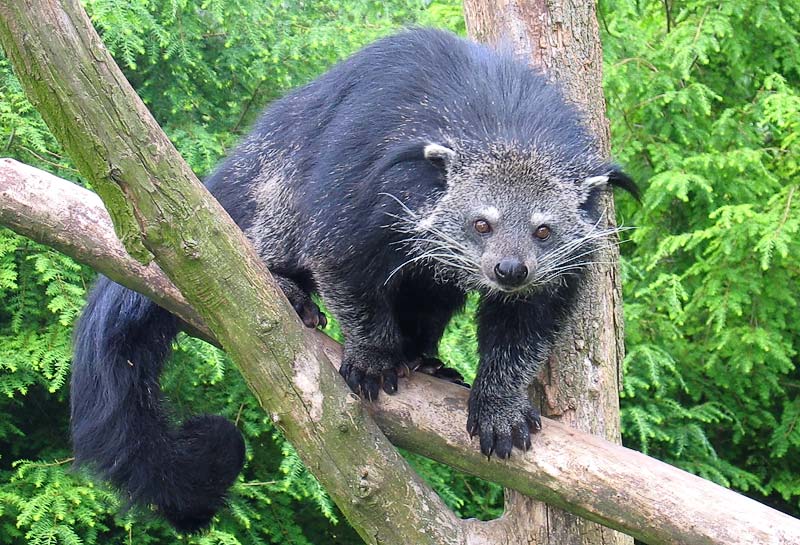
- Symbols: War-birds, crested civets, crossed daggers, the grinning skull.
- Membership: Dalhat noblewomen, especially Valley Dalhat.
- Minor Abilities:
- Cure Wound
- Exsanguinate
- Sense Life
- Speak With Beast
- Major Abilities:
- Raise Beast
- Raise Dead
Maruyet, Corpse Eater
The Qilqil kin, despite close relation and shared language, have long been the deadliest foe of the Dalhat. With enmity comes contact—raiding and incorporation, argument and ceasefire. One does not fight for so long without learning from one's opponent.
- Symbols: Ravens, elk, bows, lassos, mountains, the hanged man.
- Membership: Western Dalhat women.
- Minor Abilities:
- Avert Decay
- Befriend Carrion
- Blight
- Blood Drinker
- Major Abilities:
- Call Carrion
- Distant Eyes
Dalhat, First Queen
Maruyet's youngest daughter was the greatest, or so it is said. When she was exiled into the northern forests, she drew together her people amidst great hardships, drove out the weak folk who had lived there before, and birthed a kin to last the ages. Her cult has lessened in importance over the centuries, but it is still strong amongst the folk of the new-conquered east, and as always, in the family of the Queen herself.
- Symbols: Mother's Mountain, the Beast, maces, Dalhat's Crown.
- Membership: Dalhat noblewomen, especially Far Dalhat.
- Minor Abilities:
- Hasten Mount
- Physical Prowess
- Swift Arrow
- Trace Ancestry
- Major Abilities:
- Hasten Squadron
- War Mantle
Quandar, Warden of Heaven
When the winter snow melts, girls who have just survived their eleventh winter and completed their first initiation are sent with their family's priest of Quandar to learn those mysteries they had not yet been privy to. That these priests are most often sages, shamans, and scholars from distant lands is no matter—their education in the ways of the Dalhat is thorough.
- Symbols: Silver genets, falcons, constellations, styli.
- Membership: Eunuchs, especially enslaved foreigners.
- Minor Abilities:
- Heavenly Almanac
- Read Stars
- See Fabric
- Speak With Dead
- Major Abilities:
- Call Ancestor
- Starfire
Yandazan, Mother of Dawn
Far to the east, Maruyet's malcontent younger sister is said to be the tutelary goddess of the Tubay people, who are in many ways sisters to the Marukhas just like their deities. Despite the ill-will involved, the Dalhat still keep shrines to her, for she is family, and she holds the Holy Ones of the southern mountains to be sacred in her name.
- Symbols: Golden eagles, Holy Ones, axes, the rising sun, gold and jewels.
- Membership: Dalhat noblewomen, especially Great Dalhat.
- Minor Abilities:
- Befriend Eagle
- Find Prey
- Flame Arrow
- Sense Wealth
- Major Abilities:
- Flame Storm
- Take Wing
Ginishana, Lady of the Snow
No one can quite decide whether the Lake People are truly Dalhat or merely tributaries, least of all the Lake People. Still, though their mighty goddess has been overtaken or syncretized in much of the marsh, her cult still persists in a purer form in the western reaches—and none could find it in themselves to deny her power when her snows blanket the frozen waters in an endless white waste.
- Symbols: Owls, spears, lanterns, the moon.
- Membership: Lake People women.
- Minor Abilities:
- Crystal Skin
- Frozen Wind
- Light
- Resist Cold
- Major Abilities:
- Icicle Spear
- Snowstorm
Men's Cults
Pamenha, King of the Sky
Maruyet's husband was once a magnate in his own right, before she cursed him for his misdeeds. Now he is much reduced, a mere subordinate, but still his powers are great: without him, the grass would not grow and the wind would not blow. His is the power of life and light, and none would do well to forget it. All his sons still know his name, and across the steppes his cult has never diminished.
- Symbols: Geese, sheep, spindles, the steppe, the sun, the sky.
- Membership: Dalhat men.
- Minor Abilities:
- Bless Armor
- Call Wind
- Ignite
- Mending
- Major Abilities:
- Call Storm
- Fertile Grass
Pamenha, Depths of the Lake
Not all the Dalhat live careful, fragile lives on the high steppe, eking out a living from the thin soil amidst countless sheep. Around the deep, mighty, frigid waters of the great Lake and his many tributaries, the art of farming the rich earth is well-known and well-practiced. Pamenha's sons have not wholly given up their nomadic ways, of course, but by his power, they can dwell still for a while.
- Symbols: Ospreys, seals, nets, plows, deep waters.
- Membership: Dalhat men, especially near the Lake and rivers.
- Minor Abilities:
- Call Fish
- Call Wind
- Mending
- Seal Form
- Major Abilities:
- Fertile Grain
- Quell Storm
Rahyan, Keeper of the Flame
In the western mountains live the Half-Men, huge and mighty folk with the bottom half of a yak and the top half of a squat, ugly man. When the world was young, their mighty god Rahyan deserted them to serve Maruyet. Ever since, he has been held in high esteem among the Dalhat, for his wool is finer and tougher than any sheep's, his hearth kinder than any man's, and his steel sharper than any city-made thing.
- Symbols: Yaks, Half-Men, yurts, looms, anvils, grindstones.
- Membership: Dalhat men, especially Western and Great Dalhat.
- Minor Abilities:
- Ignite
- Filling Meal
- Sharpen Blade
- Warming Flame
- Major Abilities:
- Masterwork
- Warding Light
Mayanat, Far Wanderer
Not so long ago, a man called Mayanat was born to a Muryan mother. Fate was never kind to him; his family was raided and forced into exile, and he wandered the world for many years, becoming by necessity fiercer and wilier than any man should have to be. After he had made his way all the way across the world and back, visiting every land, he returned, and saved his people from great peril. His fame has spread across all the Marukhas.
- Symbols: Gulls, horses, shoes, staves.
- Membership: Dalhat men and female eunuchs, especially Valley Dalhat.
- Minor Abilities:
- Concealment
- Gift of Tongues
- Hasten Mount
- Invigorate
- Major Abilities:
- Boundary Line
- Safe Travels
Timenka, Great Hunter
Hunting is a way of life to the Dalhat, important enough to be restricted to neither women nor men, but the techniques of the wide open steppes and high mountains do not lend themselves to the close, dark forests of the north. Even the Forest People, weak as they are, have something to offer. They do not hunt the reindeer, holding them sacred, and so neither does the Dalhat cult who has adopted their god, though many of their sisters are not so scrupulous.
- Symbols: Bears, reindeer, bows, skis, snowshoes, trees.
- Membership: Forest Dalhat men and women.
- Minor Abilities:
- Concealment
- Darksight
- Swift Arrow
- Resist Cold
- Major Abilities:
- Tree Meld
- Silence
Doryeshant, Weaver of Darkness
There are secrets not fit to be spoken outside the holiest of holies, and even then, they are to be whispered. Such mysteries does the Spider of the Deep, who binds the sun beneath the earth each night, keep safe in her web, and the only mortals with whom she shares them meet in secret to receive them silently. It is said the Spider Riders, or perhaps Half-Spiders, of the distant north consider the Dalhat friends for their shared reverence of the mighty one.
- Symbols: Spiders, webs, torches, caves.
- Membership: Dalhat noblemen, especially Forest Dalhat.
- Minor Abilities:
- Brew Poison
- Call Darkness
- Call Spiders
- Silken Snare
- Major Abilities:
- Mother of Monsters
- Star Cloak
Yaisodek, Lord of the Marsh
The King of Birds may now serve the Queen of Shepherds, but if she could have conquered him, she would have. One cannot kill what one cannot grasp. Now his people paddle from northern sea to eastern sea, trading with all they meet, and any who would waylay them must reckon with their so-called masters. It is not so bad to pay tribute, especially when one's fame and cult grow among all who traffic the waters.
- Symbols: Serpents, snakebirds, spears, canoes, coin.
- Membership: Lake People men and Dalhat men, especially near the Lake.
- Minor Abilities:
- Assess Value
- Calm Waters
- Find Path
- Poison Strike
- Major Abilities:
- Call Serpent
- Snakebird Form
Sunday, December 28, 2025
By Spear Alone v1.0
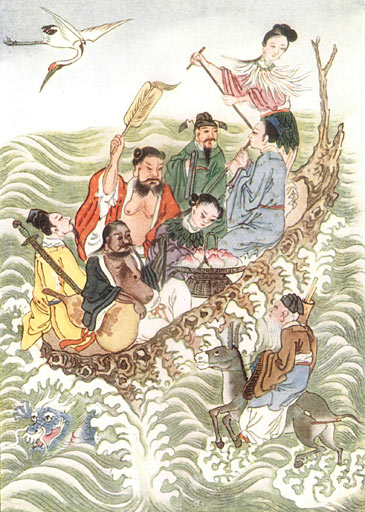
Happy GLOGmas, Josie! Josie is a big xianxia fan, and by fortuitous chance, I had already begun dusting off an old wuxia system I had been working on years ago. Not quite the same genre, of course, but the similarity is significant, and also I don't actually really like xianxia. This post owes its existence to Phlox's Vain the Sword hack, which (as far as I am aware) came up with the frankly brilliant attack/maneuver system that I have herein stolen wholesale. The old version of this system used something like Lancer's two actions + movement, and it sucked ass and I'm glad it's gone.


Character Creation
Your character has four attributes: Might, Agility, Endurance, and Will. These are pretty self-explanatory. Assign a score to each of them from the following array: +2, +1, 0, and -1.
Your character also has five statistics: Stamina, Energy, Damage, Defense, and Attack. Damage equals Might, Defense equals Agility + 6, Stamina equals Endurance + 6, Energy equals Will + 3, and Attack equals your level, which begins at 1.
Your character is a member of a School (examples listed at the end of the post), which has several traits: a skill, preferred weapons and techniques, and two Arts. Each School prefers one of the four noble weapons (the sword, the saber, the spear, and the staff) and a more specialized weapon. In addition to the skill from your School, pick a background and an associated skill (i.e. Thief and Thievery, Noble and Etiquette, Merchant and Accounting, Barbarian and Horse Archery).
Your character's starting equipment is: a set of clothes as befits their social status and one of the preferred weapons from their School. Access to other resources will be dictated by the character's social positioning and connections. There's no set inventory size or anything, but remember that your characters are martial artists doing crazy feats of acrobatics, and also that your typical martial artist is probably some sort of ascetic who disdains material goods, some sort of outlaw who doesn't own jack shit, or some sort of rich fuck who has servants for that. Carry what makes sense in that context. Remember that medium weapons are only concealable if you're really trying, and long weapons must be carried in the hand and therefore cannot be concealed.
Combat
It's a wuxia game, this is obviously the important part.
Weapons:
- Sword (the Gentleman): +1 Defense, medium. Carrying a sword marks you as refined.
- Saber (the General): +1 Damage, medium. Carrying a saber marks you as vicious.
- Spear (the King): +1 Attack, long. Carrying a spear marks you as competent.
- Staff (the Grandfather): +1 Stamina, +1 Energy, medium or long. Carrying a staff marks you as pious.
Other weapons beyond the noble four will typically have a penalty and two bonuses. Dual-wielding weapons that can be dual-wielded doesn't change your numbers in any way, but it can be used for fictional positioning as it comes up (as can, of course, not dual-wielding). Of the noble weapons, only the saber is sometimes dual-wielded. If you try to dual-wield swords, you agree to waive your right to bring legal action against the author of this ruleset for any injury suffered as a result (at her hands or otherwise).
Initiative: Usually I hate individual initiative, but for a game such as this, I feel it's appropriate. So: each participant in the combat rolls d10 + Will + a modifier based on weapon length. When the encounter is being entered into openly, with both parties prepared, long weapons get +1, medium weapons get +0, and short or ranged weapons get -1. When the encounter is being entered into by surprise or very suddenly, short weapons get +1, medium weapons get +0, and long or ranged weapons get -1. The higher a participant's initiative roll is, the earlier they act in each round of combat. If a participant chooses, they may, on their turn, announce that they are delaying their turn to a point before or after the turn of any other participant with a lower initiative, and continue using their original result in later rounds. If an ambush is very successful (probably requires the people on the receiving end to fail a Will roll, if they're badass martial artists too), they cannot act in the first round, and incoming attacks ignore their Stamina (read: HP) during this round.
Turns and Actions: On a character's turn, they may perform a maneuver and an attack, in whatever order they prefer. Forfeiting an attack does not grant an extra maneuver, and vice versa. Particular Arts may grant extra actions (things you can do on your turn that aren't attacks or maneuvers), at-will actions (things you can do whenever you want), and reactions (things you can do in response to a particular trigger during someone else's turn).
Maneuvers: A maneuver may consist of both movement and affecting some aspect of the scene, including other characters. Movement distances shouldn't be particularly set in stone, but take 50' running with a vertical jump of 5' (this doesn't sound that high, but it really is) and a horizontal jump of 10' as a good basis. Maneuvers may, with a successful roll, have one of the following effects:
- +2 Attack vs a specific opponent
- +2 Defense vs a specific opponent
- +1 Damage vs a specific opponent
- Removing yourself from a poor position inflicted by an opponent
- With Momentum: pin a Disadvantaged opponent, preventing them from maneuvering
- With Momentum: pin a Disadvantaged opponent, preventing them from attacking (maneuver roll is made at -2)
- An effect negotiated with the GM
Additionally, a successful maneuver may grant the character that performed it Momentum and inflict Disadvantage on their target—more on this later. Maneuvers and their effects are entirely based in fictional positioning and must be justified therein. If you do something really badass and cool, based on one of your Arts or abilities, &c, the effect could certainly be greater than the listed standard effects, but the GM should generally err on the side of caution here. The maneuver roll is d10 + [attribute] vs a flat 6 + [attribute] from the defender. The attribute in question can be any that makes sense in context, though I would expect this to mostly be Might and Agility. If you incorporate some particular aspect of the environment into the maneuver, you roll with +2.
Attacks: Attacks are pretty simple, with a roll of d10 + Attack vs the defender's Defense. A successful attack does not physically hit the target unless it brings them to -1 Stamina or below (or some circumstance is allowing the attack to ignore Stamina). Stamina is explicitly "don't get hit points" and should be treated as such by fictional positioning in all contexts. An attack with a weapon reduces the target's Stamina by d4 + Damage (minimum 1, unless reduced by DR), and an unarmed attack reduces it by 1 + Damage (minimum 1, unless reduced by DR). If the target is brought to -1 Stamina or below, the attacker actually hits them and may choose to spare them, scar them, or injure them.
Momentum and Disadvantage: Basically, if a character ends up in a solidly fictionally advantageous position over another, they have Momentum, and the other character has Disadvantage. This should require some investment to keep going—grappling is a great example, because you're getting stuck in; if you stop grappling them, they aren't in a bad spot anymore. Similarly, if you really solidly wind someone, you have to keep pressing them so they don't just recover. If you just throw dust in someone's eyes, that's a temporary gain, not one you can really press. Typically, you'll get Momentum/inflict Disadvantage by performing an appropriate maneuver. Keeping Momentum/Disadvantage requires maintaining the positional advantage that granted it in the first place, so the target will probably be trying to remove it with their own maneuvers. Additionally, a character with Momentum may remove it at any time for +1 on any roll, and all attacks against a character with Disadvantage have +1 Attack.
Scars and Injury: Scars are cosmetic damage—basically, marking and/or humiliating your opponent without actually injuring them. The specific form this takes depends on your choice and the weapons/lack thereof involved, and might also involve their equipment (destroying it, stealing it, &c), but it might well be permanent, like a broken nose or an angry scar on the cheek. Injuries are what happen when you're really, really trying to hurt someone—if you injure someone, you don't get to choose how. When an injury is inflicted, first, roll a hit location on d8:
- Your choice
- Head
- Chest
- Abdomen
- Left leg
- Right leg
- Left arm
- Right arm
Then, roll a severity on d4 + (1 + the injured party's current Stamina [which is negative]) on either the table for injuries from unarmed attacks or from weapons. Unarmed:
1-3. -1 max Stamina.
4-5. -1 max Stamina, affected body part is disabled until the end of the scene.
6-7. -2 max Stamina, affected body part is disabled for a week.
8-9. -3 max Stamina, affected body part must receive medical attention or it is permanently disabled.
10+. Death.
And armed:
1. -1 max Stamina
2-3. -1 max Stamina, affected body part is disabled until the end of the scene.
4-5. -2 max Stamina, affected body part is disabled for a week.
6-7. -3 max Stamina, affected body part must receive medical attention and you must roll d10 + Endurance vs 9 or it is permanently disabled.
8+. Death.
All max Stamina damage recovers at the rate of 1/day of rest. If your head or chest are disabled, you are incapacitated.
Enemies: Significant enemies who are badass martial artists like you function on exactly the same rules. However, there are also mooks—basically, gaggles of 0 Stamina chumps who act as one opponent. They have "Stamina" equal to the number of people in them, and every point of damage you deal incapacitates one of them (you can choose to be killing them, injuring them, or knocking them out basically as you like, they're chumps). They still have attributes and roll everything normally, though they cannot be injured—once they're out of dudes, they're done. They also have your typical 2d6 Morale from the ol' Dungs and Drags. Their attacks deal the same amount of damage regardless of how many people are left in them. Armored mooks may have DR: 1 for shields or light armor, 2 for light armor and shields or heavy armor, 3 for heavy armor and shields. Martial artists don't use armor or shields because they aren't cowards. Average people are mooks with only one dude and -3 in every attribute.
Social Conventions: Normal people and most mooks will interpret a weapon as a threat to their lives. Insane martial artists (like you) probably won't, but regardless, pulling a weapon on someone will certainly escalate the situation, and you shouldn't expect anyone to take it easy on you if you do so unless they're way better than you and they know it. Most people don't want to kill anyone or die, and losing a fight is by no means a certain death sentence. Similarly, killing someone instead of sparing or scarring them is a very, very drastic measure. If you don't have a damn good reason, expect serious consequences.
Recovery: Lost Stamina and Energy is regained when you have a chance to recuperate—a few hours' breather, a cup of tea or broth, an inspiring speech or moment of personal development, &c. Basically, you can't be actively in danger or being pursued.
Advancement
Gain XP under the following circumstances:
- A significant fight: 1 XP
- An emotionally charged duel: +1 XP
- You lost: +1 XP
- You scarred a significant opponent: +1 XP
- You got scarred: +1 XP
- An emotional falling-out: 1 XP
- You were lovers, best friends, or sworn allies: +2 XP
- An emotional rapprochement: 1 XP
- You were once lovers, best friends, or sworn allies, then turned to enmity: +2 XP
- A significant internal change in worldview or emotional landscape: 1 XP
Spend XP under the following circumstances for the following benefits:
- 5 XP and a week of study with a master: learn a new Art.
- 5 XP and a week of lone study: convert an Art from a different School to use the weapons and techniques of your School.
- 30 XP and a year of lone study: found a new School, of which you are the master.
For every 10 XP you spend, gain +1 level and add +1 to an attribute of your choice. If you are master of a School, you need only study alone.
Some Schools
You cannot use the Arts of a School if you are not using the associated weapons or techniques.
Early Wing Style
Skill: Dancing
Weapons: sword, fans (-1 Damage, +1 Defense, +1 Stamina, short)
Techniques: high kicks, elbows
Arts:
- Three Crane Stance: As a maneuver, expend 1 Energy. For the rest of the scene, you can jump and wallrun twice as far and high as you normally could. Every time you use your maneuver to jump or wallrun, gain an additional +1 Defense until the start of your next turn.
- Beating Wings: As an attack, expend 2 Energy. Make a melee attack against every opponent you can reach during this turn.
Creeping Vine Style
Skill: Stealth
Weapons: spear, dagger (-1 Defense, +1 Energy, +1 Damage, short)
Techniques: wrestling, spearhands
Arts:
- Striking Viper: As a maneuver when attacking from surprise, expend 1 Energy. You may automatically pin the target (as the basic maneuvers) with no roll required, and may pin them at spearpoint rather than wrestling if desired.
- Strangling Fig: As a maneuver, expend 2 Energy. You may attempt to pin an opponent (as the basic maneuvers) at +2 without requiring Momentum/Disadvantage, and may pin them at spearpoint rather than wrestling if desired.
Ninefold Prongs Style
Skill: Blacksmithing
Weapons: saber, hammer (-1 Attack, +2 Damage, long)
Techniques: punches, flying kicks
Arts:
- Ten Point Alignment: As a maneuver, expend 1 Energy. For the rest of the scene, when you use your maneuver to charge headlong at an opponent, gain an additional +1 Attack until the start of your next turn.
- Eleven Angle Strike: As an reaction when attacked, expend 2 Energy. If the incoming attack fails, you may make a free attack on a success.
Heaven-Piercing Heresy Style
Skill: Theodicy
Weapons: staff, rope dart (-1 Defense, +1 Attack, +1 Energy)
Techniques: palm strikes, knees
Arts:
- Upend Order: As an extra action, expend 1 Energy. For the rest of the scene, while you spin your weapon as an extra action, everyone within earshot (except you) has -1 Will and is inclined to violence rather than deescalation or peace.
- Paralytic Injection: As an extra action when you succeed on an attack, expend 2 Energy. Even if the target is not at negative Stamina, you still tap rather than hitting them, and they must roll Will vs 6 + your Will. On a failure, one of their limbs (your choice) is paralyzed for the remainder of the scene.
Purifying East Wind Style
Skill: Calligraphy
Weapons: sword, hook-swords (-1 Stamina, +1 Attack, medium and long (whichever is advantageous))
Techniques: ridgehands, leg kicks
Arts:
- Holy Talisman: Outside of combat, instill 1 Energy into a paper seal. You cannot regain this Energy until the seal has been expended or destroyed. You may expend the seal as a maneuver to force all beings of your choice to roll Will vs 6 + your Will or be unable to approach the seal until the start of your next turn. Spirits automatically fail Will rolls against this Art.
- Evil-Binding Threads: As an attack, expend 2 Energy. Any target of your choice within spear-reach must roll Agility vs 6 + your Will. On a failure, they are ensnared and immobilized by immaterial ropes connected to you.
Thursday, September 4, 2025
We Were Never Meant to Survive (GLOG Class: Ranger)
.jpg/1024px-Howl_(cropped).jpg)
.jpg/1920px-Coyote_-_Dead_Elk_(4634125254).jpg)
.jpg/1920px-Coyote_at_Seedskadee_National_Wildlife_Refuge_(31034864347).jpg)
 |
| I love coyotes, as you can see. All images via Wikipedia. |
Tinen is a wild land. Its huddled villages and towns of mud brick fed by intricate irrigation are few and far between. What fills the interstices? Ragged hills dotted with juniper and piñon and chamisa, steep mountains cloaked in evergreen and autumn yellow, tiny streams which lapse in the dry heat and flood in the snowmelt, endless expanses of brown grass and shrubs which burst into verdancy when it rains. Their inhabitants are the beasts of earth and air and brook, the deer and elk and coyote and wolf and jay and lizard and trout—and you. The wilds must be patrolled, for Tinen is under siege by the Enemy, whose greatest skill is worming in where it is unwanted, and the land, infertile as it may seem, is the lifeblood and manna of the people. So it falls on some few, whose skills and temperament suit the task, to become as the coyote, to wander the lonely places where none others dare go, and defend them from evil.
Class: Coyote
Skills (1d3): 1. Astrology, 2. Augury, 3. Haruspicy
Starting Equipment: A gnarled juniper-wood coyote mask, a dust-colored cloak, a buff coat (light, fragile), a bow (medium) and 12 bronze-tipped arrows, an obsidian knife (light, fragile, magic), and a Coyote secret (see the table at the end of the class).
A: Secrecy, Survivalist, +1 AC
B: Nimble, +1 to-hit
C: Shift, +1 AC
D: Freedom, +1 to-hit
Secrecy: Your membership in the Order of Coyotes is not known to outsiders. You can identify yourself to other Coyotes with secret hand-signs and glyphs. You can perfectly mimic the whole vast breadth of coyote sounds and can speak the language of canids. Other than Secrecy, none of your abilities from this class function while you are not wearing your mask or while you are wearing metal armor—but all numerical bonuses are retained regardless.
Survivalist: You can find 1 ration of forage per day without actively searching while traveling in the wilderness and always know the direction to the closest source of clean water. While you can see the mountaintops, your chance of becoming Lost is 1-in-6 lower, unless you are actively trying to become Lost. You have a 10-in-10 chance of following a trail by sight and scent over any terrain, reduced by 1-in-10 per day since the trail was made.
Nimble: You take one less die of damage from falling and always land on your feet. You have perfect balance and cannot be knocked over by anything smaller than a horse.
Shift: If you can see the leaves of a plant or the lichen on a rock, you may gain 1 Fatigue to instantly appear in cover next to it. You may make an additional maneuver per round in combat.
Freedom: You are immune to being restrained, tied up, pinned, grappled or imprisoned—your body becomes dust momentarily to move through such things. You can walk atop mud, snow, and water without sinking. You leave no trail you don’t choose to leave.
Coyote Secrets (d8):
- A black and white feather from a woodpecker crow. While holding it, you may transform into that bird, leaving the contents of your inventory in a pile on the ground. You may transform back at will and may not use the feather again until the full moon.
- An ironwood spear sprouting a single red flower (medium). Once the spear has pierced a creature, it cannot be removed from their flesh until they die.
- A hat made from a skunk's pelt. While wearing it, you may spray like a skunk—don't ask from what orifice.
- Three polished chunks of pink mountain granite. If used as sling bullets, the target takes normal sling damage and is thrown back 40 feet, and the chunk crumbles to dust. If the target hits a surface before the 40 feet is complete, they take 1d6 additional damage per remaining 10 feet.
- A tiny clay vial of datura, containing 4 doses. 1 dose causes instant delirium and a save vs unconsciousness. 2 doses cause instant unconsciousness and a save vs death.
- A clay potsherd from a forgotten culture. When snapped, causes a piece of representational art within reach to come to life and obey your orders inerringly for 8 hours.
- A simple pinewood whistle. Calls 1d6 regular coyotes to you within 10 minutes. Every time you repeat this within the same hex within 30 days, -1 reaction with coyotes and Coyotes from that hex.
- An ancient macahuitl of alder and sapphire (heavy, +1). In sunlight, its blades focus light into the face of the closest foe (-1 AC and to-hit) and may be used to start fires.
Thursday, August 7, 2025
To Be Too Practical is Madness (GLOG Class: Paladin)
Everyone, of course, has heard the tragic tale of Alonso Quixano, who was so unfortunately driven to madness and death by those ever-foolish "chivalric romances," which any man with half a mind despises as if they called his mother a whore. Many thanks are owed, of course, to Miguel Cervantes, to Alonso Fernández de Avellaneda, and most of all to Sidi Hamid (Moor though he may have been), those noble biographers who preserved such a perfect specimen of the dangers of fantasy in their eternal words—but perhaps Cervantes, at least, may be accused of overmuch sympathy for the ailment of his subject. Even despite his largely sanguine treatment, some foolish readers seem to read into his words and their "sterile, half-educated wit" a nonexistent beauty in the malady of Quixano, and begin to seek it themselves. They find themselves lost in the idiocy of furious Orlando, beguiled by the bastardly Bernardo, and maybe even—horror of horrors!—seduced by the chaste loins of Amadís. These imbecilic figures find themselves but more lost than poor Quixano, for in this modern age of musketeers and swashbucklers, of intrigue and adultery, that useless chivalry is more distant and archaic than it was even more than a century past in Quixano's day.
 |
| By Gustave Doré, via Wikipedia |

Class: Mistimed Quixote
Start with a broken-down rheumatic old nag, a flimsy suit of decorative armor, an antique, blunt, rusty épée bâtarde, an idiotic servant, a decrepit and failing farm estate, and a vast collection of worthless trash in literary form.
The Knight of the Sad Face: All those you meet despise your bedraggled visage and impossible delusions, but at least some find you amusing. Reaction rolls of 2-7 count as 3 (mockery and schemes for your humiliation, constantly on the edge of tipping over into blunt violence), and rolls of 8-12 count as 11 (playing along until they get bored, suppressed laughter breaking out into open hilarity). Priests, merchants, and boors react at -1; innocents and the easily amused react at +1.
I Know You, You Lying Scum: Whenever you are insulted in the least, whenever a lady is insulted in the least, or whenever you imagine such an insult deep in your diseased mind, you must make a save vs madness. On a failure, you spring instantly to indignant rage (in the case of a lady offender) or violent fury barely restrained by some pretense of honor (in the case of a gentleman offender). On a success, you are the very picture of Christian forbearance and mercy. When you are injured by a man, you may be beaten unconscious and badly bruised, but you are never killed or crippled.
Like Some Biblical Patriarch: Your servant will risk himself for you whenever you are in harm's way. You owe him an island as his wages for his faithful service as your so-called squire, and he will seek deliverance of his reward at any possible opportunity. Whenever your delusions overcome you, he must save vs madness. On a failure, he too is overcome. On a success, he attempts to dissuade you with an earthy proverb. Regardless, he holds Esprit for you, but only when you are mad. When your servant reaches 10 Chivalry, he becomes a Mistimed Quixote.
The Very Pillar and Support of All Knight Errantry: You see the world as it could be, not as it is. Inns become towering castles streaming brave pennants, travelers become mighty knights in gleaming armor, peasant girls and prostitutes become beauteous ladies clad in silk and gold (the uglier the woman, the lovelier the lady), the groaning of hogs becomes the blowing of proud horns, and so on and so forth, ad nauseum. Your perceptions change on a dime as your grasp on reality waxes and wanes. You hold Esprit for everything and everyone that you see, always.
When the True History of my Mighty Deeds Sees the Light: You have a pool of 10 points, called Chivalry. When you spend a point of Chivalry, you lose it forever, but your servant gains it. You may spend points at will, when performing acts of genuine good and kindness, to succeed automatically, as though you were a knight errant with a mighty arm, a keen mind, and a silver tongue. Everyone who witnesses your act must save vs madness or hold Esprit for you. When you run out of Chivalry, you are purged of your delusions, but they are replaced by an indelible physical ailment. You will die within the week.
Now, if you'll excuse me, I'm going to go read the best novel ever penned. Again.
Sunday, August 3, 2025
What Foolish Desire Drives Me (GLOG Class: Paladin)
 |
| Roger délivrant Angélique by Louis-Édouard Rioult, via Wikipedia |

Time to hop on the paladin bandwagon! The following folks have already joined the lemming train: Vayra, deus ex parabola, Loch, semiurge, Vulnavia, primeumaton, Louis, and Gokun. They've all made excellent posts; be sure to check them out.
It has been a long time since the Empire of Kashkhorshid was great. Her cities, tall and proud and ancient, are rubble, strangled by the Serpent. Her horsemen, their armor glimmering in the sunlight, are vanished, decimated by beasts. Her markets, filled with the din of a thousand yelling merchants and a thousand jingling trinkets, are sadly withered and empty. And yet, when you visit the Imperial Court in the city of Daryacheh, it is impossible to not feel that glory in the air like the heaviness of an impending rain. The walls are sheathed in rich tapestries depicting days long gone, the Empress still glitters and chimes with the golden finery of her foremothers—and the paladins still make their merry feasts at her laden table, with axes hung on the wall awaiting the call of adventure. Aye, the paladins, those mighty warriors, who serve the people of the Empire with loyalty and grace. Once they were myriad, and only the finest received the incomparable honor of riding a hippogriff. In these fallen days they are few, and horses are even rarer than alchemical beasts, but still those that remain ride out a-questing on their steeds.
Class: Paladin
Only a Kashkhorshidi woman (or someone who passes as such) may become a Paladin.
Skills (1d3): 1. Courtly Manners, 2. Songs of Yore, 3. Ballgame
Starting Equipment: A copper greataxe (heavy, fragile), an ancient steel shortsword (light, +1), copper panoply (heavy, fragile), a tabard emblazoned with your heraldry, a twelve year-old squire (HD ½, noncombatant), and a personal favor from the empress (see the table at the end of the class).
A: Questing, Hands, +1 to-hit
B: Mount, +1 to-hit
C: Favor, +1 to-hit
D: Ferocity, +1 to-hit
Questing: What a fine and sunny day it was when Lady Xiana the Sad started on her journey. She would not return for ten long years.
When you accept a noble quest, gain a Questing Die (1d6), which may be rolled and added to damage, attack, and skill rolls, as well as to reduce damage from an incoming attack. When you roll a 6 on the QD, it is depleted and removed permanently. If you conclusively fail to complete a quest, all QD you currently possess are depleted. If you are not proudly displaying your colors, your QD instead deplete on a roll of 5-6.
Hands: They say that Lady Maruxa of the River wept as she cradled the corpse of her son, and that he awoke when he felt that bitter salted rain.
When you touch someone who is injured or ill, you may choose to roll a QD to restore hitpoints equal to the roll or to grant them an additional save against an ongoing illness, injury, poison, or the like.
Mount: The name of Asbi the steed is almost more well known than that of his rider, Lady Madina the Savage, After all, it was he who saved her from the marsh.
In recognition of your deeds, the Empress grants you a steed from the labs of the imperial alchemists. Most mounts take the form of a hippogriff, a beast with the front half of an eagle and the rear half of a horse, but other variants are known. By default, your mount has 2 HD, 10 AC, Atk 1d4 (claws), and move 60', and it may glide downward at a rate of 10' vertical per 100' horizontal. It can understand Kashkhorshidi and follow instructions, but cannot talk. It is perfectly loyal but is still an animal with a will of its own, it will permit no one other than you or your squire to ride it, and it can carry you and one other person. You may pick one additional feature for it at each of B, C, and D templates from the list particular to that template. With a month of downtime and access to the imperial labs, you may switch its selected features. If your steed dies, all of your QD immediately deplete. The alchemists will be displeased when you ask for a replacement.
- B: 12 AC, Atk 1d6 (bite), swim 60', healing tears (as Hands, 1/day), blindsight 30'.
- C: +1 HD, 14 AC, Climb 30', flaming breath (2d6, 20' cone, 1/day), detect magic 30'.
- D: +1 HD, 16 AC, +1 attack/round (1d4, claws), speech, fly 60' (1 hr/day), teleport (line of sight, 1/day).
Favor: Lady Asiri the Green was the first paladin. When she left to kill the Dragon of Sefidab, she went with the shawl of Empress Zarina tied around her arm.
While openly wearing the favor of your true love, your QD become d8s and deplete only on rolls of 8, or 7-8 while your colors are concealed.
Ferocity: It took three hundred men to kill Lady Miske the Perfect. Only one of them walked away.
When you kill or otherwise defeat a target with an attack, you may immediately make another attack against a different target.
Imperial Favors (d8):
- A silver locket containing a shard of Empress Zarina's left tibia. When the wearer would die, they don't, and the bone fragment burns to ash.
- A lance with an ancient head of pattern-welded steel (medium, +1) and a much newer shaft of elm. The wielder cannot be unsaddled.
- A much-nibbled pickled dragon's tongue in a green glass jar. Eating a bite of the tongue grants the power to speak with birds for a day. Five bites remain.
- A rukh's feather from the highest peaks of the Garnet Mountains. Snapping it grants the power to fly like an eagle for a day.
- A golden needle, said to have been a gift from the spirit of the Lake to a long-dead Empress. Thread sewn by it is strangely tough, allowing the wielder to repair armor with merely a bit of sinew and a night's labor.
- A plain sack containing a hundred shells from long-lost seas. Currency is little-used in what remains of the world, but shells are still accepted as a common denomination. A hundred of them is half a fortune.
- A velvet cloak edged in vermilion. The wearer does not need to eat or drink.
- An orichalcum saber (medium) in an archaic style. The sword contains 2 MD, which may only be used to cast murder of crows. The MD refresh when the sword is immersed in snow.
This is, of course, a GLÅUGUST post, for the prompt "class referencing the previous 17 entries in a fictional, didn't-actually-happen class bandwagon." I hope you enjoyed said previous entries as well. (No aspersions were intended by the association of name to song! They're all lovely people and none of them are Nazis or South Africans or Rick Astleys at all!) I promise I will get to your Superman prompt eventually, deus ex parabola. I just haven't been inspired yet.
Subscribe to:
Posts (Atom)